
Lavender Essential Oil Benefits for Calming, Skin Healing and Natural Relief

Lavender essential oil is one of the few oils people reach for when they want something gentle, familiar, and useful. Its aroma is soft enough for bedtime, fresh enough for a daytime reset, and practical enough to keep in a natural first-aid kit.
The botanical name for true lavender is Lavandula angustifolia. The essential oil comes from the flowers of the lavender plant and is most often steam distilled, a process that captures the plant’s aromatic compounds without harsh solvents. In perfumery, lavender is often described as a middle-to-top note, which means it opens bright and noticeable, then settles into the blend with a calming herbal body.
Lavender has become famous for relaxation, but that is only part of the story. Research suggests it may also support skin repair, help calm inflammation, ease discomfort, and play a role in natural antimicrobial care when used properly.
This article is for education only and is not a substitute for medical advice, diagnosis, or treatment.
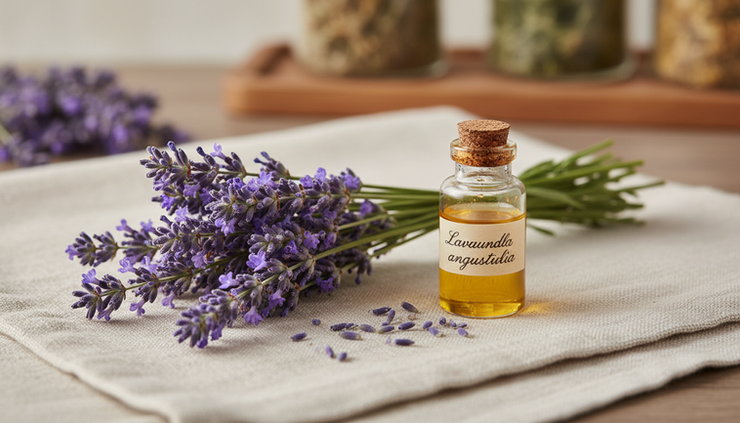
Lavender starts with the flowers of Lavandula angustifolia
Not all lavender is the same. The lavender most people associate with aromatherapy is Lavandula angustifolia, sometimes called true lavender or English lavender. This is the species most often used when people want a gentle, soothing oil for emotional balance, rest, skin care, and everyday comfort.
The essential oil is held in tiny glands on the flowering tops. After harvest, the flowers are steam distilled. Steam moves through the plant material and carries volatile aromatic molecules with it. As the steam cools, it separates into water and essential oil.
That oil is highly concentrated. A small bottle may smell delicate, but it contains the aromatic chemistry of a large amount of plant material. This is why lavender can feel gentle and powerful at the same time.
Lavender’s scent is often described as:
Bright and fresh
Lightly sweet
Herbal
Floral
Softly woody
That balance is part of what makes lavender so easy to use in blends. It pairs beautifully with citrus oils, wood oils, resinous oils, and other florals. It also has enough body to stand alone.
Lavender supports calm, comfort, and emotional balance
Lavender is best known for its emotional and energetic qualities. People often describe it as calming, soothing, and nurturing. It has a settled quality, like taking a slow breath after a long day.
In aromatherapy, lavender is often used when the nervous system feels overactive. That may look like racing thoughts, occasional worry, tension, restlessness, or a hard time winding down at night.
The aroma can help create a signal of safety and softness. Scent connects directly with the limbic system, the part of the brain involved in emotion and memory. That is one reason a familiar aroma can shift a mood so quickly.
Lavender may support:
Emotional balance
A calmer bedtime routine
A sense of comfort during stress
Reduction of occasional anxiety and fear
A softer mood during times of overwhelm
A simple way to use lavender for emotional support is to place a drop on a cotton ball or aroma strip and breathe near it for a few minutes. You can also diffuse it in a well-ventilated room for short periods.
For a bedtime ritual, blend lavender into an unscented lotion or carrier oil and massage it into the shoulders, feet, or hands. The touch matters too. Lavender plus slow, steady self-massage can be a powerful combination for relaxation.
Lavender may help with pain, swelling, and inflammation
Many people know lavender for calm, but fewer know that it has also been studied for physical comfort. Lavender is often described in aromatherapy as an analgesic, which means it may help reduce the feeling of pain. Research has also explored lavender’s role in reducing swelling and calming inflammatory responses.
This does not mean lavender replaces medical care. It does mean lavender may be a useful support for minor, everyday discomfort when used safely and appropriately.
People commonly use diluted lavender oil for:
Minor muscle tension
Occasional joint discomfort
Tender areas after daily strain
Mild swelling from small bumps
General body relaxation
Lavender’s anti-inflammatory qualities are one reason it shows up in natural skin and body care. Inflammation can appear as heat, redness, tenderness, or irritation. A properly diluted lavender blend may help calm the area and support comfort.
A practical body blend might include lavender essential oil in a carrier oil such as jojoba, coconut, olive, or sweet almond oil. For general adult use, a low dilution is usually best, especially if the skin is sensitive.
A common gentle dilution is about 1 percent, which is roughly 1 drop of essential oil per teaspoon of carrier oil. For spot use on a small area, some adults use a slightly higher dilution, but more is not always better. Essential oils work best when used with respect.

Lavender is renowned for helping the skin heal
Lavender has a long reputation as a skin-supportive essential oil. It is often used in natural care for minor irritations, dry patches, small scrapes, insect bites, and areas that need soothing. Its popularity in skin care makes sense because lavender combines several helpful qualities at once.
It may help:
Calm redness and irritation
Support the appearance of healthy skin
Comfort itchy or tender areas
Soothe minor burns after the area has cooled
Support the skin’s natural repair process
Lavender is not a cure-all, and serious wounds, burns, infections, rashes, or allergic reactions need proper medical care. But for minor skin concerns, diluted lavender can be a valuable tool.
One of the reasons lavender is so loved for skin is its balance. Some oils are strongly antimicrobial but too harsh for delicate skin. Others smell beautiful but offer little practical support. Lavender sits in a helpful middle place. It is aromatic, calming, and skin friendly when diluted well.
For a simple skin-soothing blend, add 1 drop of lavender oil to 1 teaspoon of aloe vera gel or carrier oil. Apply a small amount to the area after a patch test. If the skin becomes more red, itchy, hot, or uncomfortable, stop using it.
Lavender also blends well in unscented lotions, salves, and bath products. If adding it to a bath, do not drop essential oil directly into the water. Oil and water do not mix, and undiluted drops can float on the surface and irritate the skin. Mix lavender first into a dispersant or an unscented bath product made to carry essential oils.
Lavender may support natural allergy and antimicrobial care
Lavender may assist with the prevention of allergic reactions in some contexts, based on research into its calming effect on inflammation and immune-related responses. This is an area where careful wording matters. Essential oils should not be used as a replacement for allergy medication, emergency response, or medical care.
If someone has a history of serious allergic reactions, asthma, or fragrance sensitivity, lavender should be approached with caution. Natural does not always mean safe for every person.
Lavender also has a place in antimicrobial aromatherapy. Research suggests that lavender has activity against certain microbes, including Candida. It has also been studied in combination with other essential oils.
Lavender combined with Tea Tree and Geranium has been shown in research settings to inhibit some bacterial organisms. That does not mean the blend should be used casually on infections or open wounds. It means researchers have observed antimicrobial activity worth paying attention to.
This kind of information helps explain why lavender appears in many natural hygiene and skin-care formulas. It may support a cleaner skin environment while also offering soothing benefits.
A balanced aromatic blend for household or topical product formulation may include:
Lavender for soothing and skin support
Tea Tree for stronger antimicrobial activity
Geranium for floral balance and skin care
For home use, keep it simple and safe. Use low dilutions, avoid sensitive areas, and do not apply essential oils internally or to mucous membranes. If there is spreading redness, swelling, pus, fever, severe pain, or a rash that does not improve, seek medical care.

The aroma makes lavender easy to love and easy to blend
Lavender’s aroma is one of its strongest gifts. It has a bright, fresh opening that does not feel heavy. Then it softens into sweet herbal, floral, and woody notes. This makes it useful in both relaxing and refreshing blends.
For calm, lavender blends well with:
Roman Chamomile
Cedarwood
Frankincense
Sweet Orange
Bergamot
Clary Sage
For skin care, it pairs beautifully with:
Geranium
Helichrysum
Tea Tree
Copaiba
Patchouli
Rose or Rose Absolute
For a fresh room aroma, try lavender with lemon or sweet orange. For a bedtime blend, lavender with cedarwood feels grounding and soft. For emotional comfort, lavender with frankincense can create a quiet, steady atmosphere.
Because lavender is a middle-to-top note, it can lift heavier oils and round out sharper ones. In a blend, it often acts like a bridge. It connects bright citrus notes with deeper woods and resins.
How to use lavender essential oil safely
Lavender is often called gentle, but it still deserves careful use. Essential oils are concentrated substances. Safe use matters, especially for children, older adults, pregnant people, pets, and anyone with medical conditions.
Here are practical safety guidelines:
Dilute before applying to skin
Use a carrier oil, lotion, aloe gel, or salve base. For general adult use, start low.
Patch test first
Apply a small amount of the diluted blend to the inner forearm. Wait to see if irritation appears before using it more widely.
Avoid eyes and sensitive areas
Essential oils can sting and irritate delicate tissue.
Use diffusion mindfully
Diffuse in a ventilated room. Take breaks. More aroma does not mean more benefit.
Keep away from pets unless guided by a professional
Cats, dogs, birds, and other animals process aromatic compounds differently than people.
Do not ingest lavender oil without qualified guidance
Internal use carries risks and should not be treated casually.
Choose the correct botanical name
Look for Lavandula angustifolia on the label. This helps confirm what oil you are using.
Also pay attention to quality. A good essential oil label should include the botanical name, plant part, extraction method, and ideally the country of origin or batch details. Since lavender oil is popular, quality can vary. Avoid oils that smell flat, overly perfumed, or synthetic.
Simple ways to bring lavender into daily life
Lavender does not need a complicated routine. Its strength is how easily it fits into ordinary moments.
Try these simple uses:
For a calmer evening
Add lavender to a diffuser for 15 to 30 minutes before bed. Keep the room ventilated and turn the diffuser off before sleeping.
For tense shoulders
Blend 1 or 2 drops of lavender into a tablespoon of carrier oil. Massage into the neck and shoulders.
For skin comfort
Add 1 drop of lavender to a teaspoon of aloe vera gel or unscented lotion. Use on a small area after patch testing.
For emotional reset
Place a drop on a tissue, hold it near the nose, and take a few slow breaths. Do not press undiluted oil directly against the skin.
For a natural body oil
Add lavender to jojoba or sweet almond oil for a simple after-shower blend. Keep the dilution low for regular use.
The goal is not to use lavender everywhere. The goal is to use it where it truly supports you.
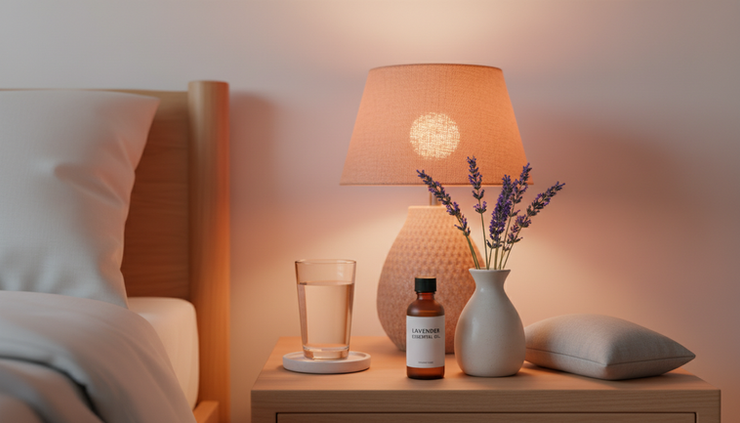
Lavender is gentle, but it is not ordinary
Lavender essential oil has earned its place in aromatherapy because it offers more than a pleasant scent. From the flowers of Lavandula angustifolia, steam distillation gives us an oil that is calming, soothing, nurturing, and widely useful.
It may support emotional balance, help reduce occasional anxiety and fear, calm inflammation, ease discomfort, assist with skin healing, and contribute to natural antimicrobial care. Its aroma is bright, fresh, light, sweet, herbal, floral, and woody all at once.
That range is what makes lavender so valuable. It can sit on the nightstand, in a skin-care blend, in a massage oil, or in a natural wellness kit. Used with care, it is one of the most versatile essential oils to keep close.
Contact me if you would like the references for the studies that support this information.


Comments